The Beach Bum’s Guide To Decide Where To Vacation
Growing up in Saint Lucia, you learn to read a beach before you get in the water. You notice whether the sand holds heat, whether the bay has a reef break, whether the light is coming in from the east or the west. Cas En Bas Beach, hidden beneath lush greenery… always scenic. Reduit Beach, always there when you need it, water sports not too far off. Pigeon Island Beach, near the park, at least three beaches in one area, restaurants nearby. Grand Anse in the south, long and dark, black volcanic sand that warms through by midday. All Saint Lucian, and all of them worth knowing.
Saint Vincent does something similar, just differently. The mainland is mostly black sand, and it pulls you in unexpectedly. Heading out through the Grenadines, Princess Margaret Beach on Bequia, Macaroni on Mustique, Salt Whistle Bay on Mayreau (a must-see), the sand turns white and things just slow down. Two islands, and between them, more variety than most people expect. And that’s where this blog begins.
As we talk beaches, know fully that this isn’t a competition. We love both islands equally. Consider this a guide to two very different beach experiences, written by someone who has spent a lot of time on both of these incredible islands.
TL;DR: Which Is Better, St. Lucia or St. Vincent?
Which island should I choose, Saint Lucia or Saint Vincent?
Both islands have real beaches worth building a trip around. Saint Lucia is the easier entry point: more resort options, better airlift from the US, and beaches that run from the dark volcanic sands of the south to the calm gold stretches of the north. Saint Vincent is quieter and more rewarding the further you go from the mainland, with the Grenadines delivering some of the clearest water in the southern Caribbean. Read on for the full breakdown, covering sand, swimming, snorkeling, access, budget, and where Sandals sits on each island.
Two Islands, One Short Flight Apart
Saint Lucia covers around 238 square miles and operates as a single island state. Saint Vincent, slightly smaller at 150 square miles, heads a 32-island archipelago stretching south through the Grenadines all the way to Grenada. Both volcanic, both mountainous, both sitting in the southern Caribbean where the Atlantic and the Caribbean Sea do what they do on the windward and leeward coasts. That’s roughly where the similarities end.
This is a beach guide, which means we’re headed in a pretty fun direction: the sand underfoot, the color of the water, and how to make your way to some of the best beaches in these islands. One thing’s for sure, when it comes to what the best beach should look like, these two islands give you very different answers. Knowing which answer you’re looking for is the only comparison that matters.
The Sand Tells You Everything Before You Even Get In The Water
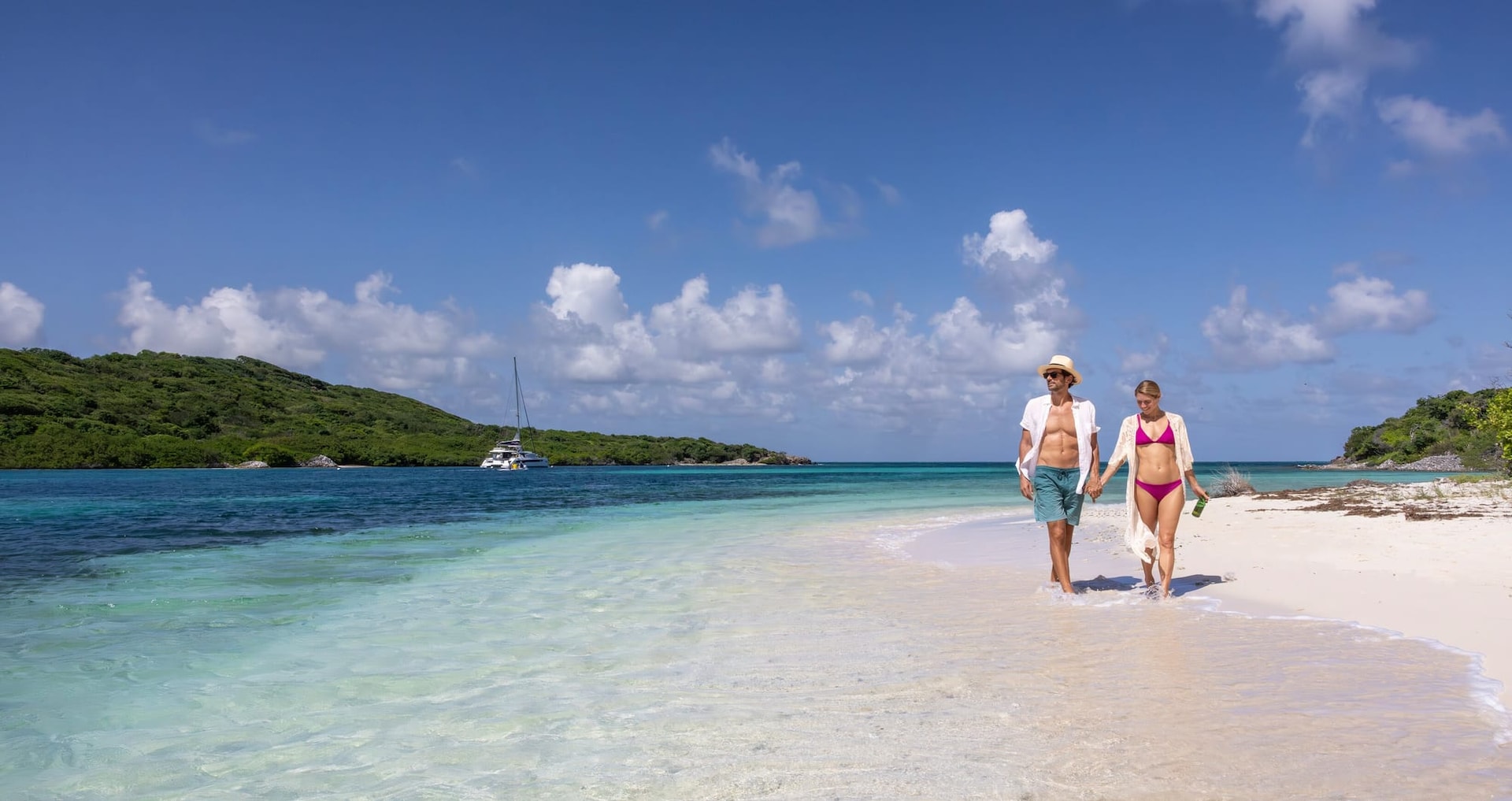
Mainland Saint Vincent skews black sand, geologically honest for a young volcanic island, but it changes the feel of a beach day in ways that go beyond the photos. Black sand absorbs heat faster and releases it slower. By midday, it’s warm underfoot in a way white sand never quite manages. Villa Beach and Indian Bay are the exceptions on the mainland, both lighter, calmer, and more sheltered. Then there are the Grenadines: Princess Margaret Beach on Bequia, Lower Bay, Macaroni on Mustique, Salt Whistle Bay on Mayreau. White sand, calm water, and the kind of quiet that makes you wonder what took you so long to get here in the first place.
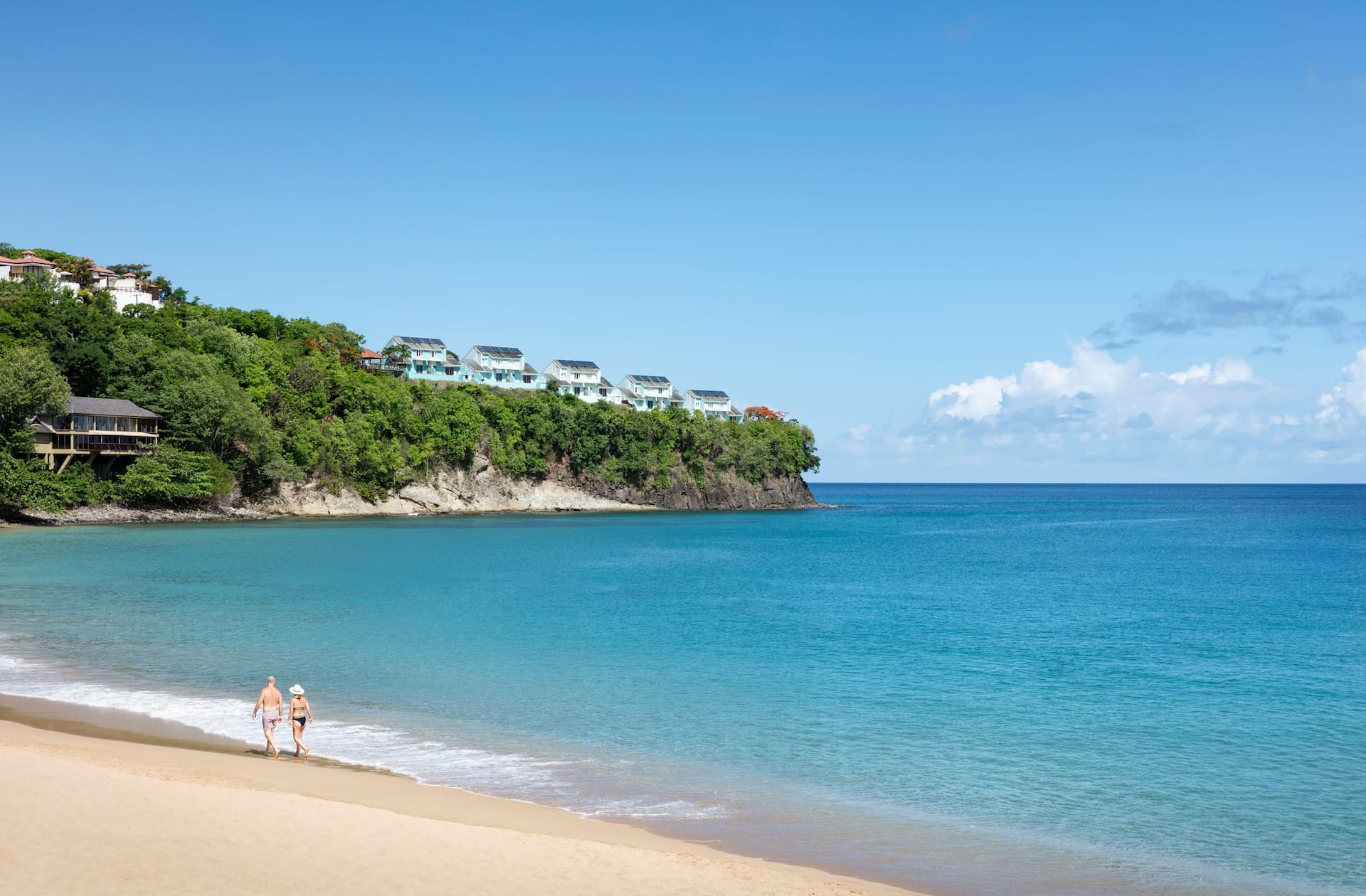
Saint Lucia’s beaches are as unique as they come. Reduit in the north is long, scenic, and usually calm. The Pigeon Island causeway faces west for the sunsets. Anse Chastanet and Anse des Pitons in the south are smaller and more sheltered, with volcanic peaks rising straight up behind them, and there’s black sand down there too. Grand Anse and Anse Noir are worth a mention if darker sand is what you’re after. Gold sand cools faster in the shade and doesn’t hold midday heat the way volcanic sand does. If you’re planning to spend most of your vacation lounging in the sand, this is something worth thinking about as you plan.
One Island Lets You Swim, The Other Lets You Snorkel
All beach days aren’t created equal. One day you might want to swim, another you might want to snorkel, and another… taking it all in from your sun lounger. For actual swimming, Saint Lucia’s northwest coast is the more predictable pick. Pigeon Island Beach and Reduit Beach face west and sit in the island’s wind shadow for most of the year, which keeps the water calm and the entry easy. You can get in and move around without thinking about it. Saint Vincent’s leeward coast has sheltered spots too, though the mainland beach options are more limited.
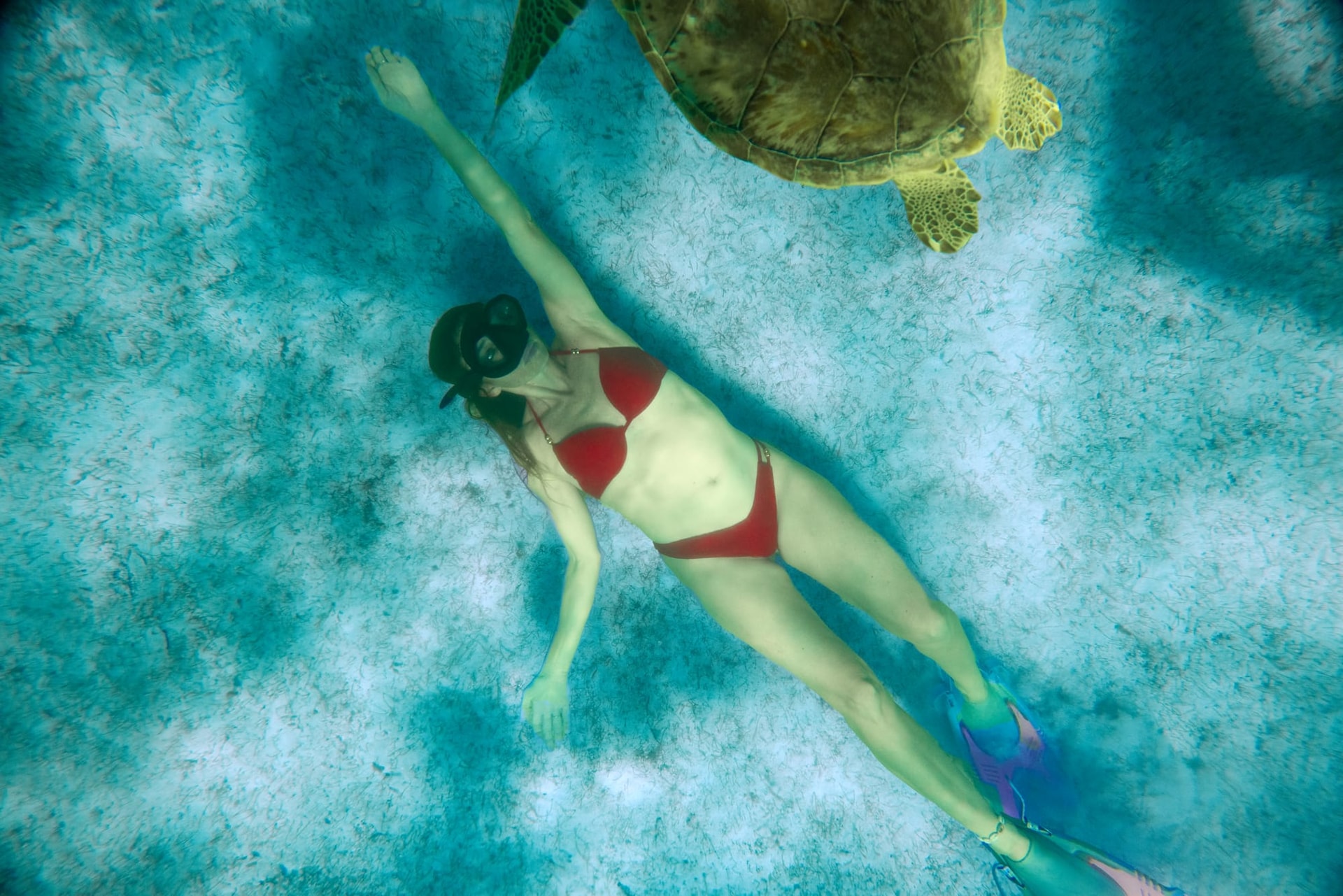
When it comes to snorkeling, Saint Vincent stands out in a big way. The Tobago Cays Marine Park, reachable by day sail from Union Island, runs visibility of around 25 metres. X-Ray Magazine has flagged Saint Vincent for its muck diving, and the underwater topography through the Grenadines rewards anyone willing to go below the surface. If snorkeling or diving is on the agenda, Saint Vincent is the one to plan around. If a long, easy swim on a reliably calm beach is the goal, Saint Lucia has the edge. Both get you in the water. They just give you different reasons to stay there.
Good to know: Saint Lucia has some impressive snorkeling and dive sites too. Ahead of your trip, check out the best snorkeling spots in Saint Lucia.
Getting There Is Half The Decision
There’s a lot to think about once you’ve decided on a Caribbean vacation. Getting there is often at the top of that list. For Saint Lucia and Saint Vincent, the good news is that airline options for both destinations have been growing steadily as the islands have gotten more popular.
When it comes to deciding which island you’ll be exploring this time around, it all depends on the type of vacation you’re looking for, the time of year you’re planning to go, and what flights are available when. Saint Lucia has more frequent US airlift into Hewanorra International Airport, but Saint Vincent has been closing the gap. American Airlines, JetBlue, and Delta all added US routes to Argyle International Airport between 2024 and 2025. Argyle opened in 2017 and sits around 20 minutes from Kingstown, which means you’re in the city in no time. With Saint Lucia, it takes just over an hour to get to Castries from Hewanorra, and a little longer to reach resorts in the north.
The good news? If you’ve read anything about these two islands being hard to reach, your source is likely dated. Both have gotten considerably easier to get to over the years, and they are completely worth the trip.
Good to know: There is no ferry between islands; regional flights 35 to 40 minutes; daily ferries within SVG.
More Developed Is A Compliment When You’re On Vacation
In Caribbean travel conversations, you’ll often hear talk about which island is more or less developed than others. Some people like the convenience that comes with the more developed islands, while others enjoy the rootsy, stranded-on-a-desert-island feel that lesser-known islands bring.
With Saint Lucia and Saint Vincent in the mix, Saint Lucia is often noted as the more developed of the two. Being born and raised in Saint Lucia and having visited Saint Vincent more than a couple of times, the differences are clear once you pay attention to them. Most notably, many visitors talk about the fact that there’s just more available accommodation in Saint Lucia, especially if you’re looking for a resort stay. Sandals Saint Vincent takes care of that for visitors who want the full all-inclusive experience on the quieter island.
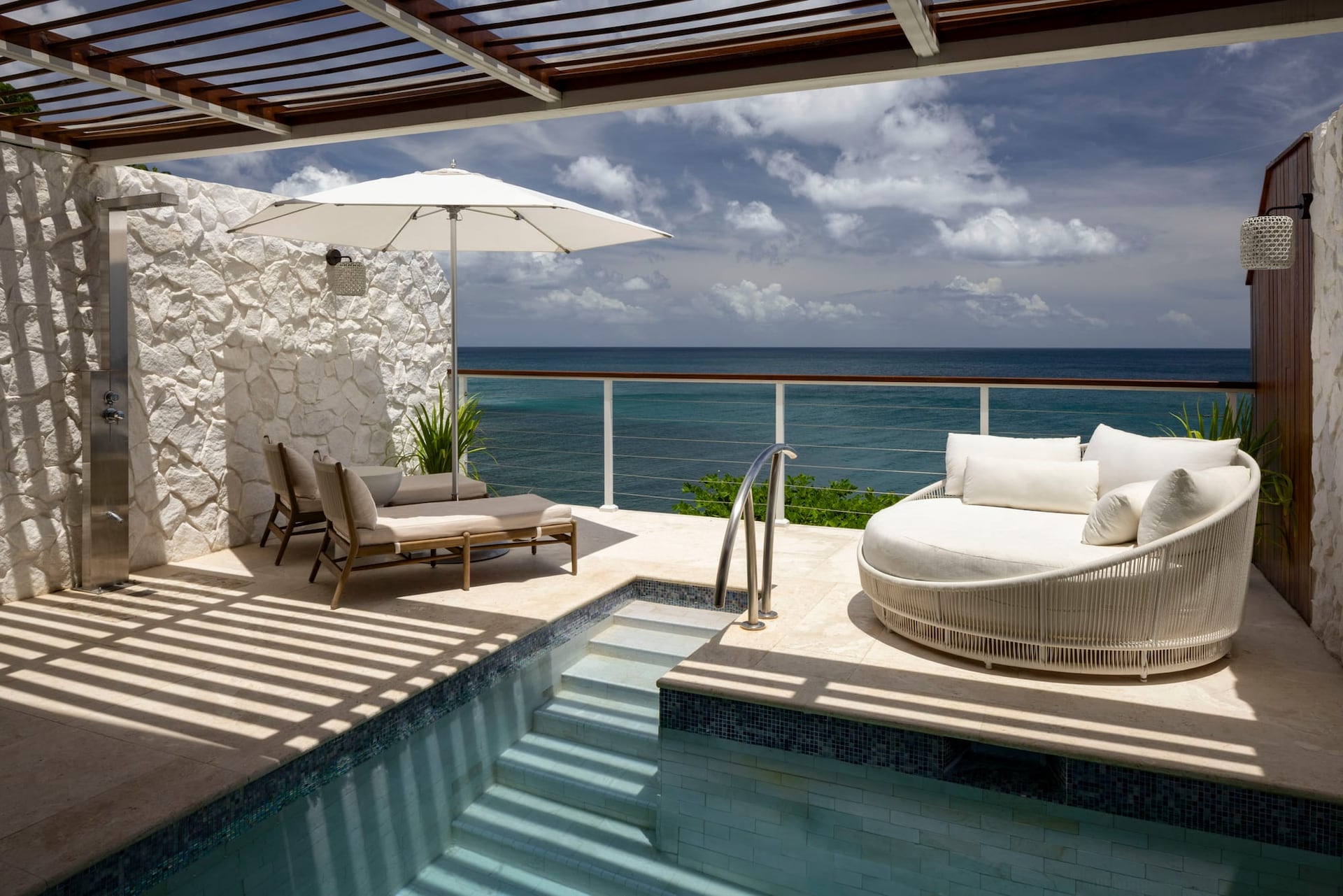
But what does a vacation really look like in one of the more developed small islands? Well, you can look forward to better infrastructure, dining variety, easier day trips, and more. There are benefits to islands that aren’t as developed too. Convenience is traded out for tranquility and lower prices, and sometimes that’s just what a vacation needs. It’s all about what you want out of a vacation, and it’s worth thinking about before you book.
The Pitons Get The Postcards, La Soufriere Gets The Legs
Yes, the Pitons! Absolutely worth seeing on a Saint Lucia vacation. Actually, a few years ago, a friend visited me in Saint Lucia from New York. She badly wanted to see and experience the Piton climb, but unfortunately timing did not permit. It’s been a few years, and she has not been back to the island, and if I could help her do that trip again a little differently, we simply would not miss out on a chance to do the Pitons together.
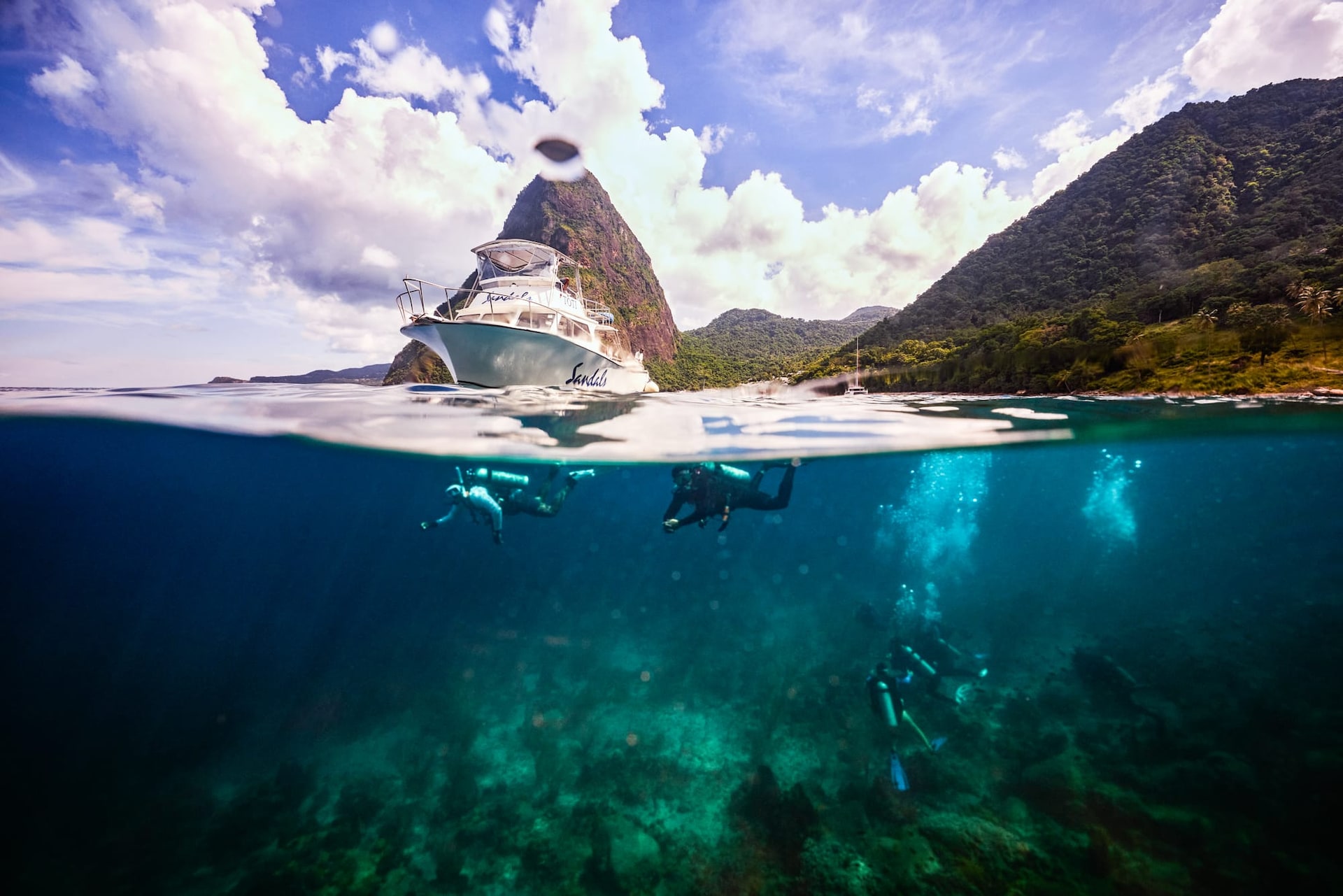
I’ve climbed the Pitons once before and triumphantly made my way to the top. It was no easy feat, but the views were completely worth the climb. The Pitons in Saint Lucia are a UNESCO World Heritage Site, and the most popular of the two is Gros Piton, the larger of the pair, rising to 798 metres (2,619 ft). Petit Piton stands at 743 metres (2,438 ft) and is the more technical climb of the two. The Gros Piton trail is around 5.5km, and climbing with a guide is a must. There are a few other attractions worth seeing in the south of Saint Lucia too, including the Sulphur Springs, the world’s only drive-in volcano.
In Saint Vincent, the energy is a little wilder. For anyone who wants a proper adventure, La Soufrière is the one to put on the list. An active volcano, 1,234 metres up, with a trail that cuts through lava fields from the 2021 eruption. It’s a half-day push with legs that’ll know about it after. Worth every step, by all accounts.
Kingstown’s Botanical Gardens are worth the stop too. Established in 1765, the oldest in the Western Hemisphere, with a breadfruit tree descended from the original stock Captain Bligh brought to the Caribbean in 1793. History growing right in front of you.
And Wallilabou Bay on the leeward coast? Pirates of the Caribbean was filmed there. The old set is still partly standing. Mostly left to itself now, but you’ll very likely recognize it.
The Budget Gap Is Real, But It Doesn’t Land Where You Think
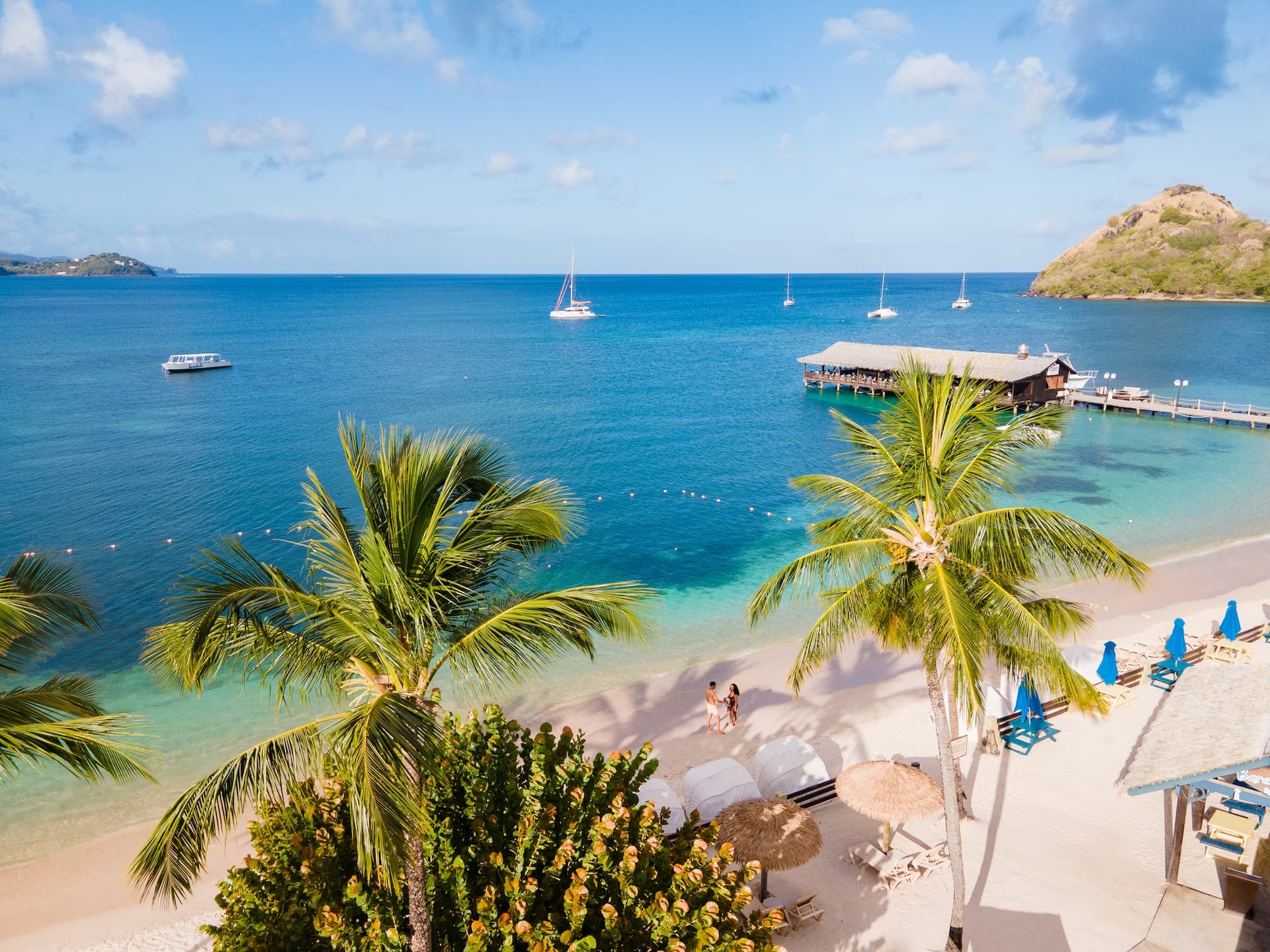
Saint Vincent is the more affordable island for independent travel, and the gap is real. Accommodation costs less, a local meal costs less, and the tourist infrastructure that quietly adds a premium in Saint Lucia hasn’t fully arrived here yet. That changes once boat charters enter the picture, and they will, because a day sail into the Grenadines isn’t really optional if you’re doing this trip properly. The cost of a crewed vessel narrows the budget gap faster than most people expect. For anyone who’d rather know exactly what they’re spending before they land, an all-inclusive like Sandals takes that variable off the table entirely on both islands.
Both islands use the Eastern Caribbean Dollar, pegged to the US dollar since July 1976 at 2.70. US dollars are widely accepted at resorts and most businesses. Worth knowing before you go: worn or torn notes are sometimes refused, so bring clean bills. Prices move, so check current rates closer to your travel date.
The Question Isn’t Which Island, It’s How Many Nights You Have
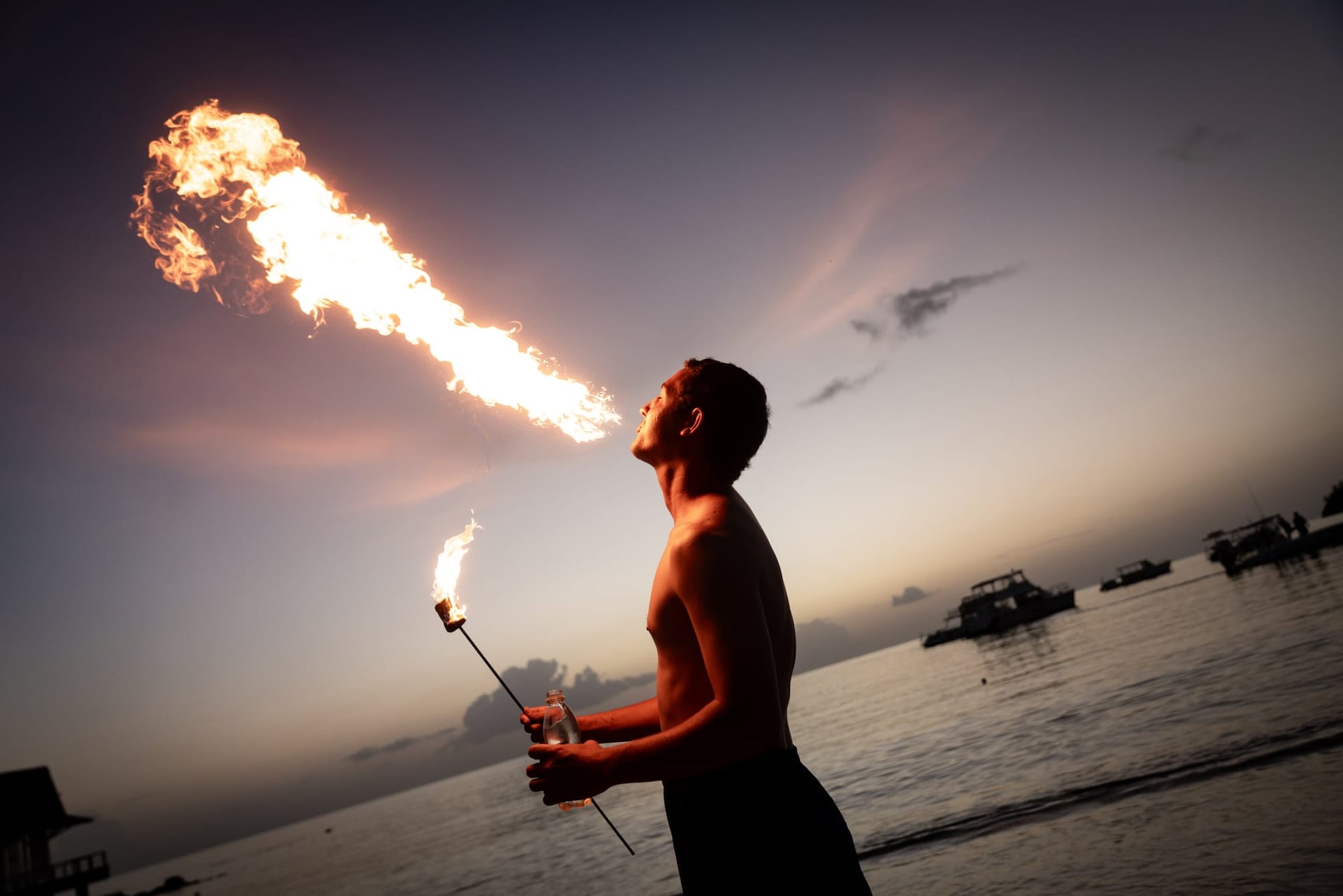
Seven nights means one island done properly. That’s the honest floor for either destination: long enough to settle in, take a day trip or two, and still have a few days where you’re not moving anywhere. Splitting a seven-night trip between islands sounds good in theory and but can feel rushed, depending on how you plan. If you’ve done these islands before, this can work out smoothly, as you’ll have a better idea of how you want your days to go.
Ten nights or more makes the two-island trip comfortable, five and five. Fly between them, 35 to 40 minutes on a regional carrier, and actually base yourself on each side. There’s also a third option worth considering: pick one island as your base and do a day flight to the other. Saint Lucia to Saint Vincent and back in a day is doable, though it turns Saint Vincent into a highlight reel rather than a proper stay. Still worth it if the schedule only allows one base.
Four Beaches, One Booking, and The Answer to Doing Nothing at All
Sandals Resorts has properties on both islands: three in Saint Lucia, one in Saint Vincent. That 3-to-1 split isn’t accidental. It reflects the islands: Saint Lucia has more infrastructure, more room for resort development, and a more established resort culture. Saint Vincent has one main resort property, and it’s exactly right for what the island offers.
Here’s what you need to know about the Sandals all-inclusive resorts in these destinations:
Sandals Grande St. Lucian: Best For Actually Swimming
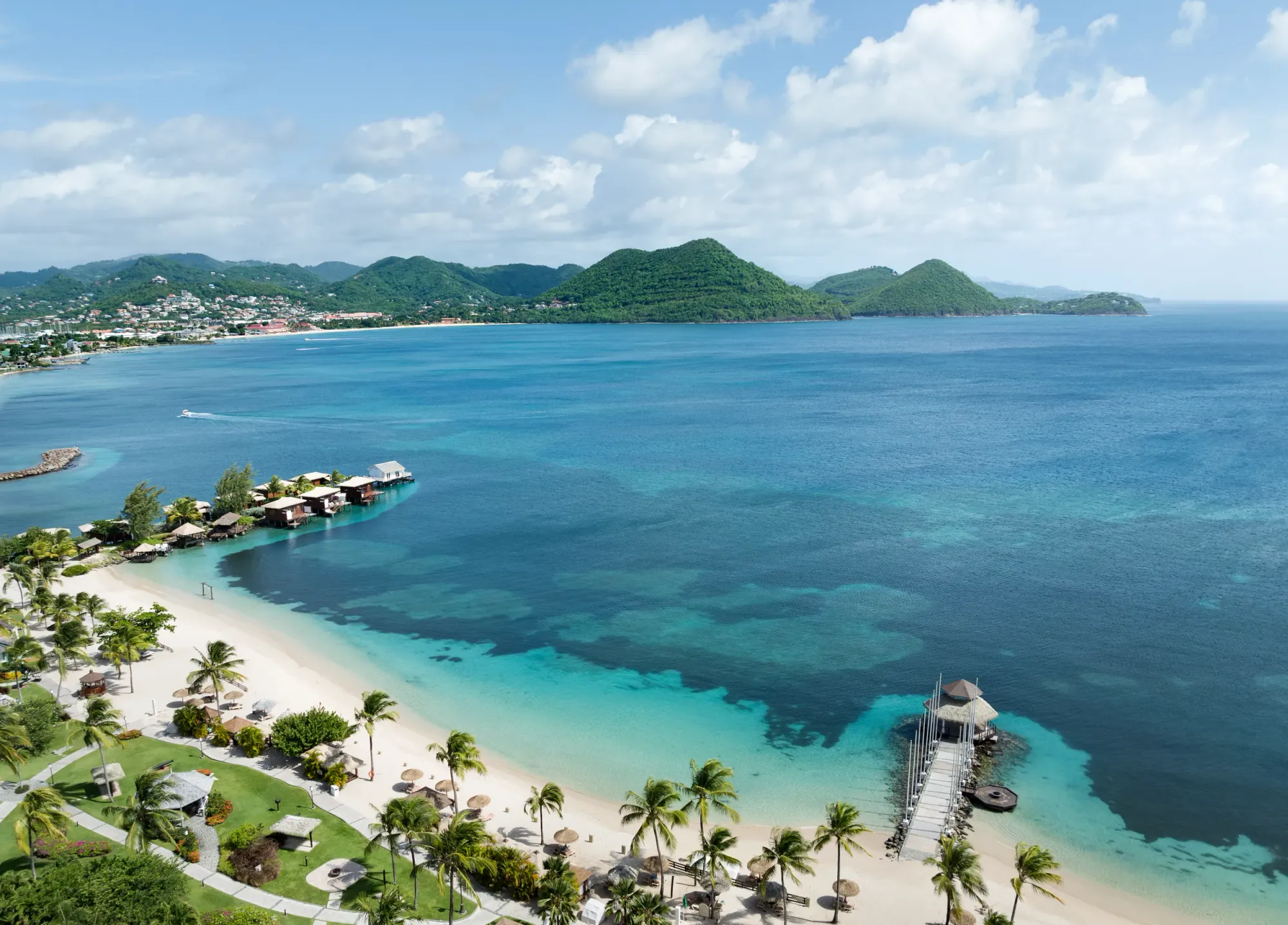
Sandals Grande St. Lucian sits on a causeway peninsula with Rodney Bay on one side and the Atlantic Ocean on the other. The beach runs close to a mile and the water off the northwest coast is the calmest on the island. Overwater bungalows sit right above that calm Caribbean water. If swimming is the main reason for the trip, this is the right address.
Sandals Regency La Toc: Best For a Bay of Your Own
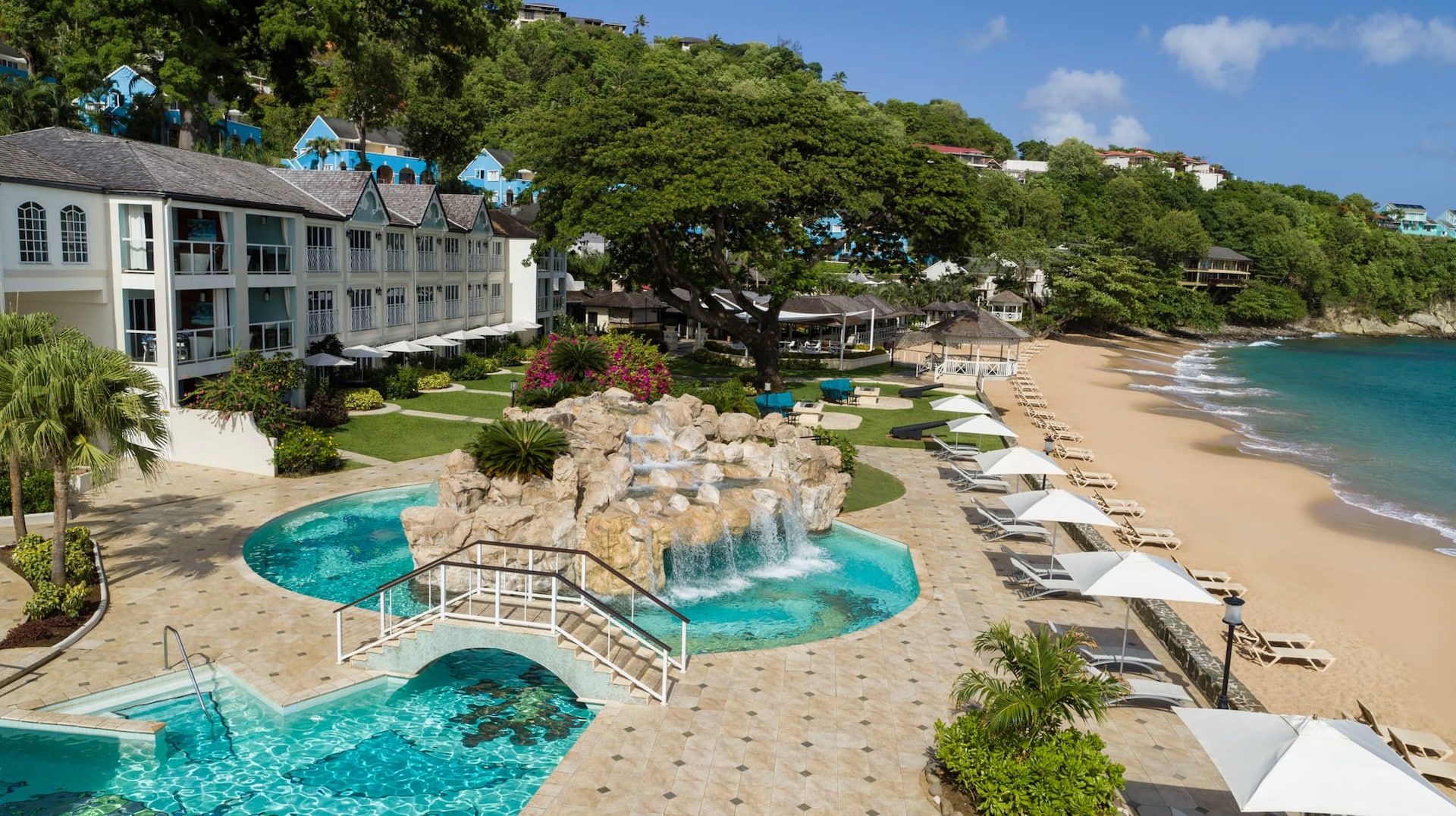
Sandals Regency La Toc has its own crescent bay just south of Castries, smaller and more contained than Grande St. Lucian, with the Pitons on the southern horizon at sunset. If the appeal is a bay that feels like it belongs to you for the week, with a view that faces a completely different direction, this is the one.
Sandals Halcyon Beach: Best For Doing Genuinely Nothing
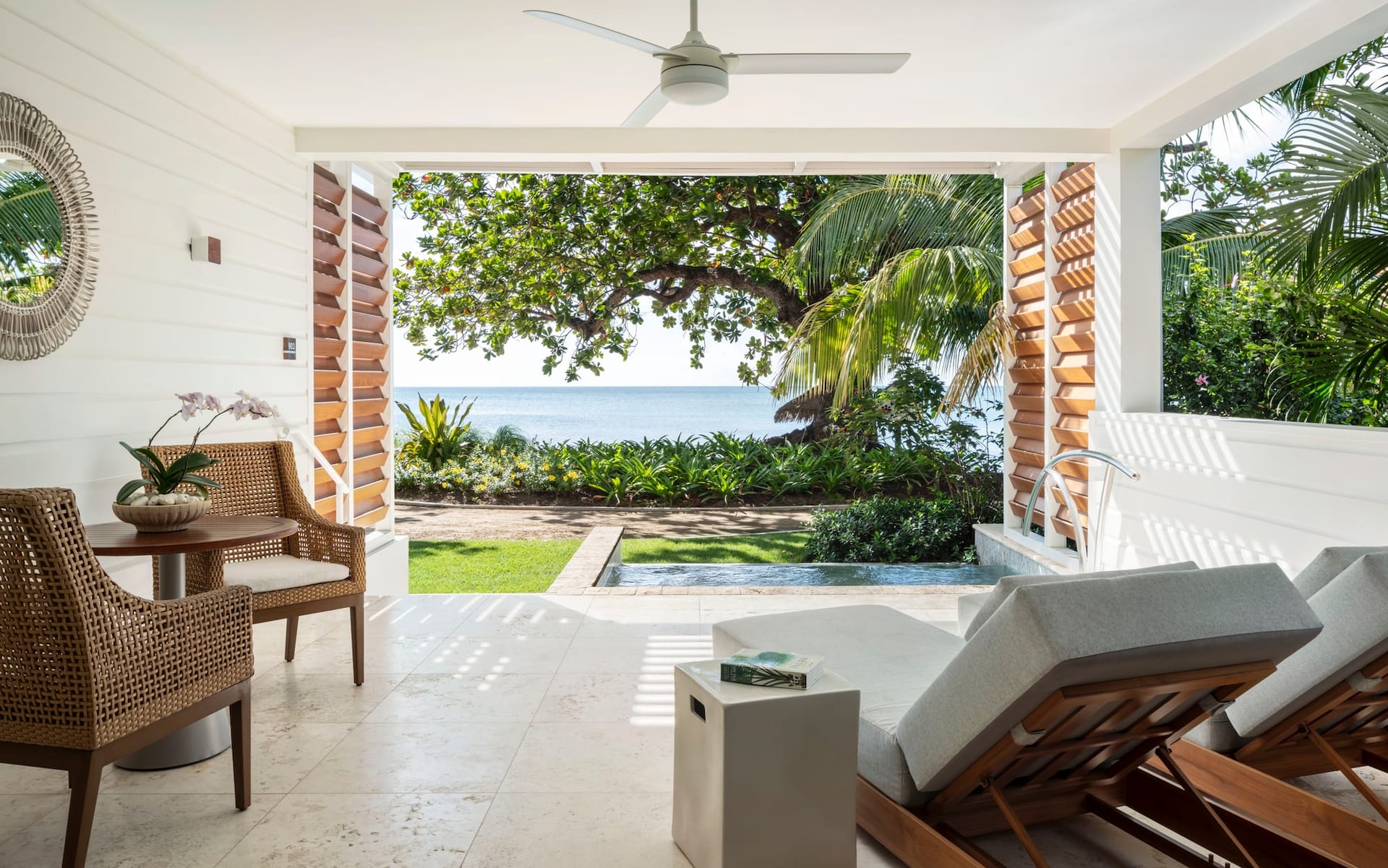
Sandals Halcyon Beach is the quietest of the three: smaller in scale, and definitely more intimate. This is the kind of resort you go to when you just want to get away. There’s entertainment when you want it, and quiet island breezes when you’re in another mood entirely. At Sandals Halcyon, that state of calm comes with 7 dining spots, 7 bars including 2 swim-ups, plenty of cozy spots to relax, and enough activities to keep the days flowing.
Sandals Saint Vincent: Best For The Water And The Newness
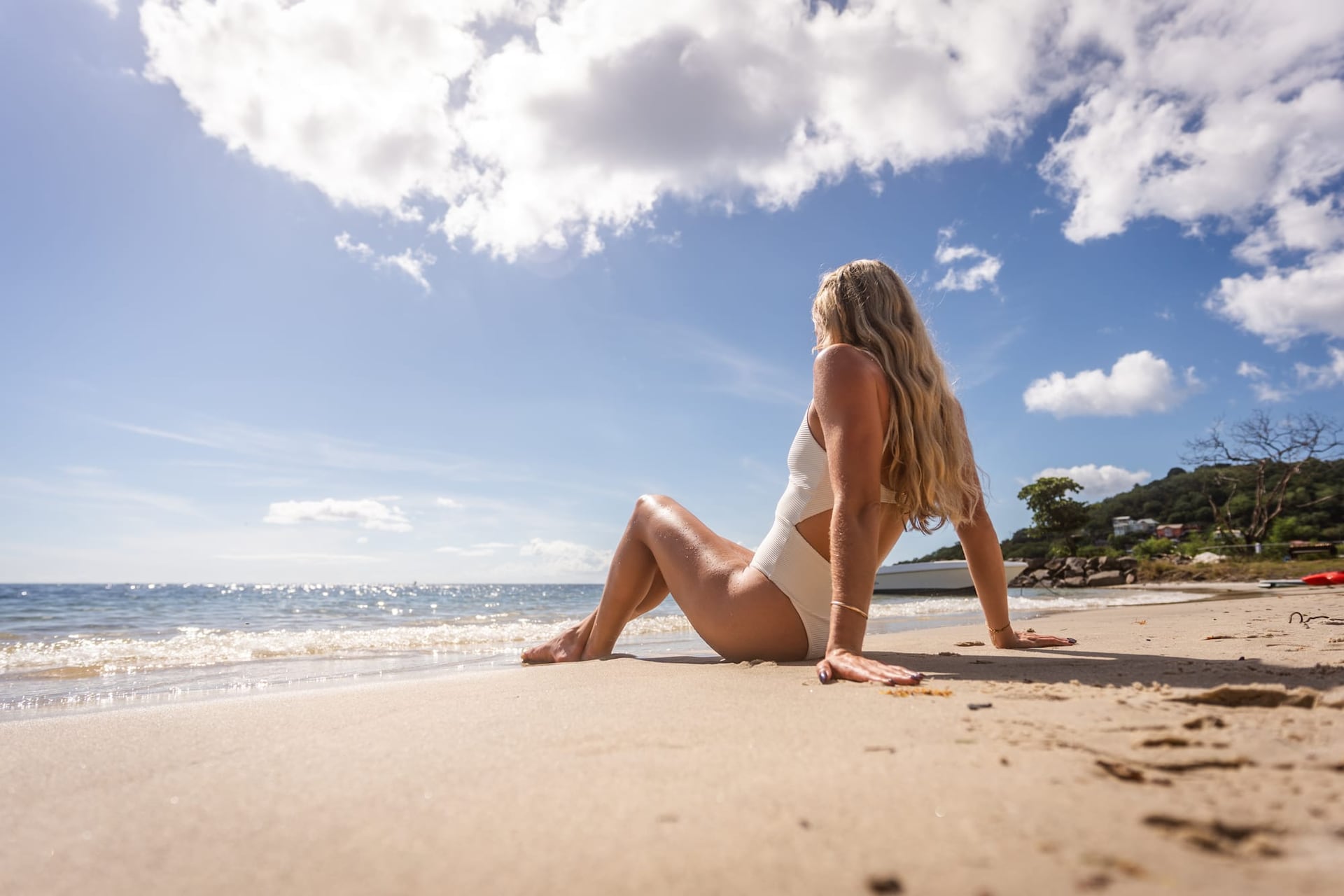
Already on the water before you’ve even unpacked? That’s Sandals Saint Vincent. Opened in 2024, around 40 minutes south of Argyle International, with four pools, two-story overwater villas with the most mesmerizing views, eleven restaurants and nine bars on a single property. The kind of place that makes snorkeling before breakfast feel like a completely reasonable plan. If the Grenadines day sails are already on your list, this is exactly where to base yourself.
Find the right Sandals all-inclusive resorts for your vacation and compare both islands before you book.
What I’d Tell A Friend Before They Book Either One
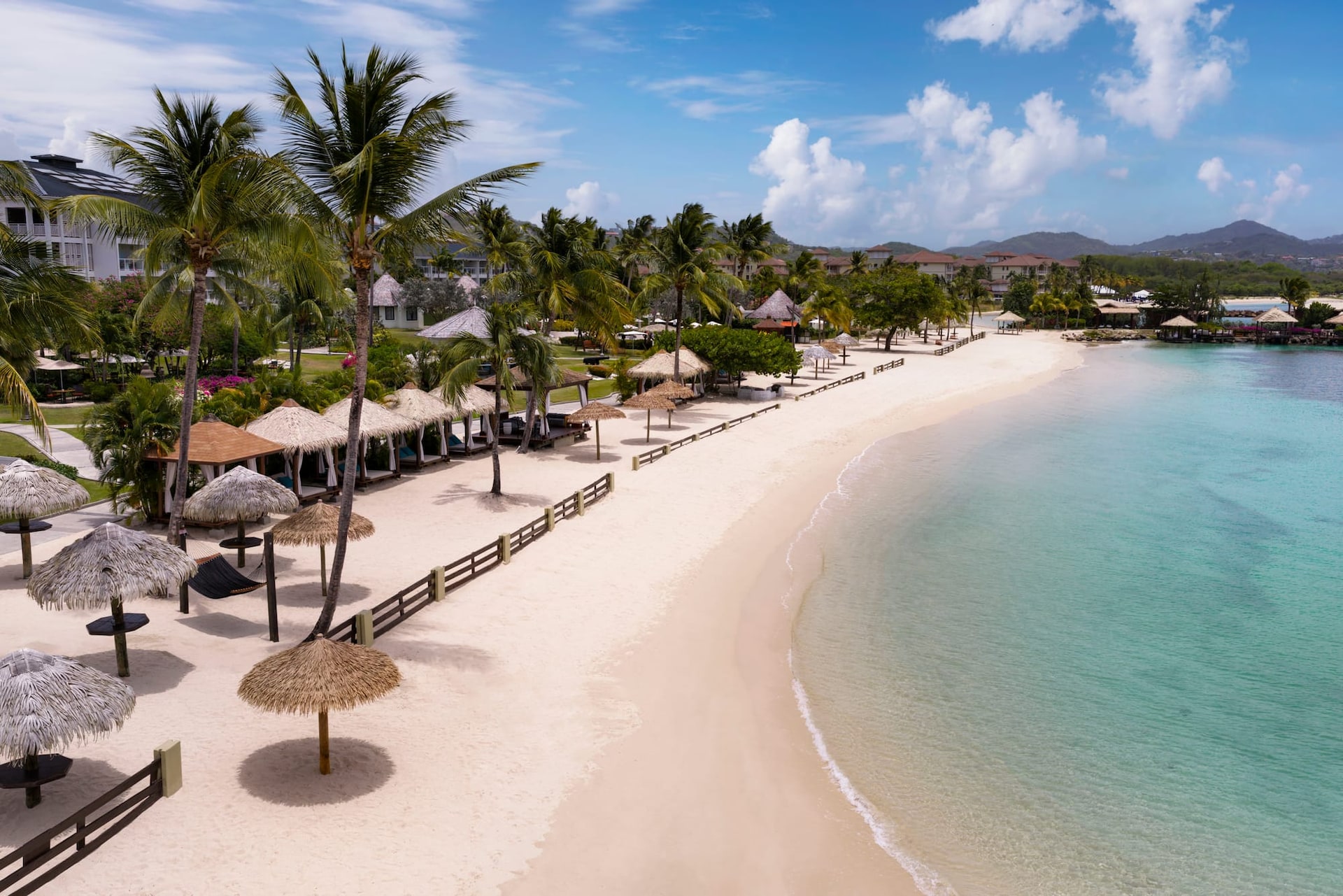
Pack for the beaches, but pack for the waterfalls too. Throw an older swimsuit in for the mud bath if Saint Vincent is on the itinerary, and come ready to go a little off the beaten path on both islands. The north of Saint Lucia is excellent for beach time, the south for the scenery and the Pitons, and that split works well as a day trip. Saint Lucia gives you more resort options, three Sandals properties to choose between, while Saint Vincent is where you’ll find one of the newest all-inclusive experiences Sandals has to offer.
Dry season is December through April, which is when the Caribbean really earns it. Rainy season runs roughly June through November, with May and November sitting in the shoulder where it could go either way. Showers on both islands tend to arrive and clear fast. It’s not a reason to avoid those months, but it’s worth knowing before you commit. Don’t forget to plan in some water sports early on in your trip and definitely make the most of every moment.
Two Islands That Were Never Really Rivals
Saint Lucia is the easier island to arrive on, easier to navigate, and more set up for the kind of trip where you want things organized before you land. Saint Vincent is quieter, more affordable day-to-day, and truly rewarding when it comes to exploration. These islands are hardly rivals, they’re family.
If you’re not sure which island to explore first, it can go either way. We like the sound of Saint Lucia first, for the scenery and the swimming and the comfort of knowing where things are. Saint Vincent after, for the water and the Grenadines and the feeling of having found somewhere that fewer people make it to. If the flights line up and the nights allow it, do both. The 35-minute hop between them is the easiest decision of the whole trip. Start planning at Sandals Resorts and see which island pulls you in first.
Frequently Asked Questions
Still deciding which island is best for you? Here’s all the answers to the Saint Lucia versus Saint Vincent questions that might come up before your trip.
Which is better for beaches, Saint Lucia or Saint Vincent?
Saint Lucia gives you a range of gold and black sand beaches from north to south, with calm water on the northwest coast year-round. Saint Vincent’s mainland runs mostly black sand, but head out through the Grenadines and you hit some of the whitest, quietest beaches in the southern Caribbean.
How far apart are Saint Lucia and Saint Vincent?
Around 35 to 40 minutes by regional aircraft, which is pretty short for two very different island experiences. There’s no ferry between them, though daily ferries run within the Saint Vincent and Grenadines chain.
Which island is easier to get to from the US?
Saint Lucia has more frequent direct US routes into Hewanorra International, so it’s typically the easier first stop. Saint Vincent’s Argyle International Airport has been growing its connections since opening in 2017, and it’s far more accessible now than it was even a few years ago.
Is Saint Vincent cheaper than Saint Lucia?
For independent travel, yes: accommodation, food, and day-to-day costs are lower in Saint Vincent. That gap narrows once you start factoring in boat charters, which are essentially part of the Saint Vincent experience once the Grenadines are on the plan.
Can you visit both islands on one trip?
Absolutely, and if you have ten nights or more, five and five is a comfortable split with a short regional hop in between. For a seven-night trip, one island done properly is the better call.
Does Sandals have resorts on both islands?
Yes. There are three Sandals Resorts in Saint Lucia (Sandals Grande St. Lucian, Sandals Regency La Toc, and Sandals Halcyon Beach) and one in Saint Vincent, which opened in 2024.
What’s the best time of year to visit Saint Lucia or Saint Vincent?
Dry season runs December through April and is the most reliable for beach weather on both islands. The rainy season, roughly June through November, can be slightly rainier, but showers typically don’t last long.
Which island is better for snorkeling and diving?
Saint Vincent and the Grenadines, with the Tobago Cays Marine Park delivering around 25 metres of visibility compared to roughly 17.5 metres off Saint Lucia. For calm-water swimming at the surface, Saint Lucia’s northwest coast is the more consistent choice.
Is Saint Lucia or Saint Vincent better for first-time visitors?
Saint Lucia is generally the easier first visit: more resort options, better infrastructure, and day trips that don’t require a boat charter to reach. Saint Vincent tends to suit travelers who want somewhere quieter and are happy to get out on the water to find it.
What currency do Saint Lucia and Saint Vincent use?
Both use the Eastern Caribbean Dollar, pegged to the US dollar at 2.70 since 1976, and US dollars are widely accepted at resorts and most businesses. Bring clean notes: worn or torn bills are sometimes refused.


