
Cheapest Time of Year to Book an All Inclusive Vacation by Destination
The cheapest time to book a vacation depends a lot on where you’re headed, because every region runs on its own demand calendar. A beach week in Mexico bottoms out in the fall, a summer trip to Europe rewards travelers who plan far ahead, and ski pricing swings on the snow season. Matching your destination to its quietest travel window is the fastest way to pay less for the same trip, since you’re buying the same beaches, slopes, and cities when fewer people are competing for them.
This guide breaks it all down region by region so you can see the cheapest window to travel and roughly how far ahead to book for each one. Two levers do most of the work: traveling in a low-demand month and booking with enough lead time to catch the better rates. If you’d rather start from the savings, browse current all inclusive vacation deals or compare value-focused options among budget-friendly all inclusive resorts.
| Destination / Region | Cheapest Time to Travel | How Far Ahead to Book |
|---|---|---|
| East Mexico (Cancun, Riviera Maya) | September and October, plus May and early June | 3 to 6 months out; 6 to 12 months for winter peak dates |
| West Mexico (Los Cabos, Puerto Vallarta) | September and October; late spring shoulder weeks | 3 to 6 months out; 6 to 12 months for December to March |
| Jamaica | September and October; May and June | 4 to 6 months out; earlier for the winter high season |
| Dominican Republic | September and October; late April through June | 3 to 6 months out; 6 months-plus for peak winter weeks |
| Other Caribbean Islands (Aruba and more) | September through early November; May and June | 4 to 6 months out; longer for holiday weeks |
| Central America (Costa Rica) | May, June, and September (green season) | 3 to 6 months out |
| Europe (Italy, Spain, Greece, Portugal) | Shoulder months: late April to May and September to October | 3 to 6 months out; 6 to 9 months for summer |
| Ski Destinations (Canada, France, Japan) | Early December and late March to April | 3 to 6 months out; earlier for holiday ski weeks |
Mexico (East and West)

East Mexico, home to Cancun and the Riviera Maya, is cheapest in September and October, when hurricane-season demand drops and all inclusive rates can fall 30 to 50% below the December-through-April peak. May and early June are the calmer shoulder weeks if you want warm, drier weather with smaller crowds and prices that still sit well under high season. The all inclusive model helps here too, because meals, drinks, and entertainment are bundled into the nightly rate, so your daily spending stays predictable even in a pricier month.
Book roughly 3 to 6 months ahead for the best low-season value, but if your heart is set on a winter-peak week, lock it in 6 to 12 months out to secure the room before rates climb. West Mexico follows a similar rhythm. Los Cabos and Puerto Vallarta see their lowest prices in September and October, with another dip in the late-spring shoulder. Winter is the busy stretch along the Pacific coast as travelers chase warm, dry weather, so December through March dates are worth booking 6 to 12 months ahead.
For a broader look at timing across the country, the Mexico all inclusive collection is a good place to compare resorts and dates side by side.
Jamaica

Jamaica is at its most affordable from September through October and again in May and June, the quieter shoulder windows on either side of the busy winter season. Rates in these low-demand months can run well below the mid-December-to-April high season, and the island’s all inclusive resorts keep daily spending predictable with meals, drinks, and activities built in. The fall months carry some tropical-storm risk, so travel insurance is a smart add-on if you’re chasing the lowest prices.
Plan to book about 4 to 6 months ahead, and move earlier if you’re targeting the winter high season or a holiday week, when the best resorts fill up first.
Dominican Republic

The Dominican Republic, including Punta Cana, sees its cheapest travel from September into October, with another friendly stretch from late April through June. These off-peak months can save 30 to 50% compared with the winter peak, which makes the country one of the best value beach picks in the region. Its deep lineup of large all inclusive resorts means plenty of competition on price, so low-season deals tend to be especially strong here.
A 3-to-6-month booking window works well for low season, while peak winter weeks are worth reserving six months or more in advance to get the resort and room you want.
Other Caribbean Islands

Across the wider Caribbean, including Aruba and its neighbors, the cheapest travel lands in the late-summer and early-fall low season, roughly September through early November, plus a spring dip in May and June. Aruba sits outside the main hurricane belt, which keeps its weather steadier through the fall, though demand still eases in those months and prices follow. Smaller islands can have fewer flights, so fares matter more to your total cost, and midweek departures help.
Booking 4 to 6 months ahead is a safe target, and holiday weeks around Christmas and New Year’s call for a longer lead time since island capacity is limited.
Central America (Costa Rica)

Costa Rica‘s cheapest stretch is the green season, mainly May, June, and September, when afternoon rain trades off against noticeably lower rates and thinner crowds. The dry-season peak from December through April commands the highest prices, so if you’re flexible, the green-season shoulder delivers the same lush rainforest and coastline for less. Rain in the green season often comes in short afternoon bursts, leaving mornings open for beaches and tours.
Booking 3 to 6 months ahead gives you a solid mix of price and availability for this long-haul tropical trip, and a little earlier helps if your dates fall over a holiday.
Europe

For Italy, Spain, Greece, and Portugal, the cheapest time to travel is the shoulder season: late April into May and again from September into October. You get mild weather and lighter crowds while prices sit below the July-and-August summer peak, and popular spots feel far more relaxed.
Because European summer is in such high demand, book those June-to-August dates 6 to 9 months ahead; shoulder-season trips are usually fine to lock 3 to 6 months out. Long-haul flights also tend to be cheapest when you book a few months in advance rather than waiting for a last-minute fare that rarely comes for popular European routes.
Ski Destinations
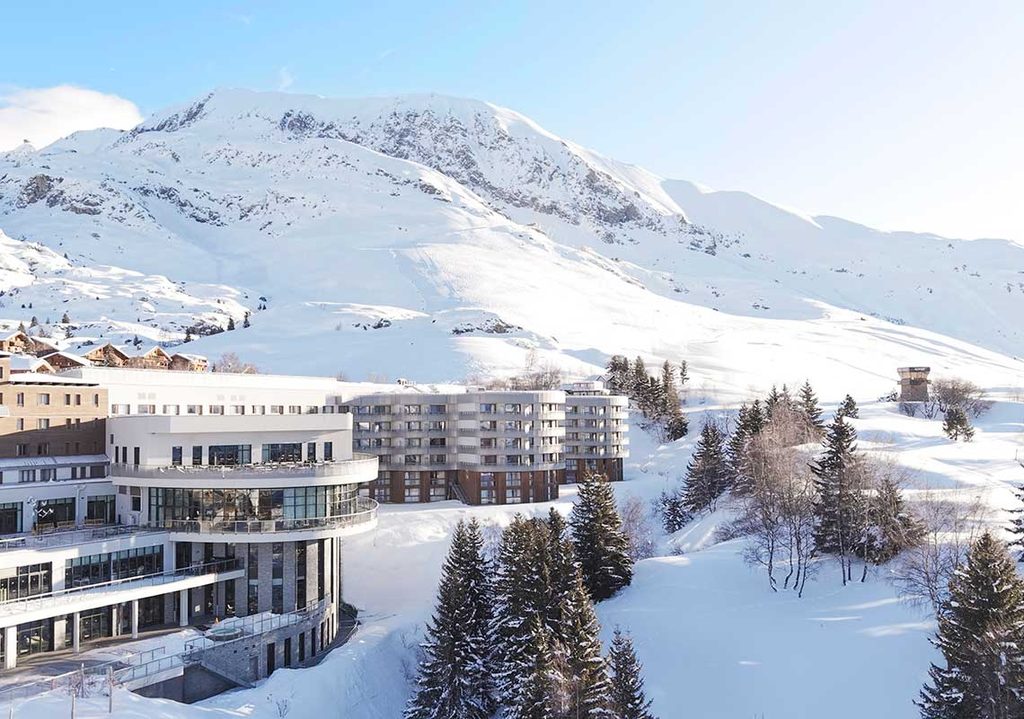
Ski trips to Canada, France, and Japan flip the usual calendar, since winter is the busy high season. The cheapest travel falls at the edges of the season: early December before the holiday rush and late March into April, when the snow is often still good, but rates soften. Those late-season weeks can also mean longer daylight and milder temperatures on the mountain. Aim to book 3 to 6 months ahead, and reserve even earlier for holiday ski weeks and peak powder dates, which sell out fast and price up quickly as skiers lock in their trips.
Quick Rules That Apply Everywhere
- Travel in the shoulder season. Off-peak months like May, June, September, and October can save 30 to 50% versus peak dates while still delivering good weather.
- Fly midweek. Tuesday and Wednesday departures are usually cheaper than weekend flights, often by a meaningful margin, so shifting your dates by a day can help.
- Match your booking window to the trip. Most tropical and long-haul trips price best 3 to 6 months out, while European summer and peak-season rooms reward booking 6 to 12 months ahead.
- Book flight and resort together. Bundled all inclusive packages usually beat booking each piece separately, and they keep your total locked in up front.
- Set price alerts. Watch your dates and destination so you can jump when a fare or package drops, rather than guessing at the right moment.
Frequently Asked Questions
What Is the Cheapest Month to Travel Overall?
For most beach and tropical destinations, September and October are the cheapest months of the year, since they fall in the low-demand window. The trade-off in the Caribbean and Mexico is that these months overlap with hurricane season, so May, June, and early November offer a middle ground of lower prices with less storm risk.
How Far in Advance Should I Book a Vacation?
Most international and long-haul trips book best 3 to 6 months ahead, and that stretches to 6 to 9 months for European summer travel. If you want a specific resort or room category during a peak season, such as Caribbean winter or holiday ski weeks, booking 6 to 12 months out helps you lock in the space before prices climb.
Is It Cheaper to Travel During Hurricane Season?
Yes. Hurricane season, which runs roughly June through November in the Caribbean and Mexico, lines up with the lowest resort rates of the year, with September and October the cheapest. Travelers who book these months often save 30 to 50%, and travel insurance is a smart way to cover the added weather risk.
Does Booking Midweek Really Save Money?
It often does. Flights that depart and return on Tuesday or Wednesday tend to cost less than weekend departures because demand is lower midweek. Shifting your travel days by just a day or two can trim a noticeable amount off the airfare portion of a trip.
When Is the Cheapest Time to Book a Vacation to Europe?
For Europe, travel in the shoulder months of late April to May or September to October for the lowest prices and lighter crowds. Book summer trips 6 to 9 months ahead, since demand for June through August is high and both flights and hotels fill up early.
Find Your Best Deal by Destination
Once you know your region’s cheapest travel window and how far ahead to book, the next step is matching it to a live price. Browse current all inclusive vacation deals by dates and destination to see where your timing lines up with the lowest packages, then lock it in before peak demand catches up.


Maggie Sabin
Maggie started as the SEO Manager at DestinationWeddings.com in 2024, where she works to drive organic traffic and conversions while creating meaningful, SEO-optimized content for the website. Previously, Maggie’s career spanned from Human Resources & Recruitment to teaching at international schools for almost 10 years. Maggie spends her free time traveling, learning new languages, reading non-fiction books, working out, going to the beach and spending time cuddling her dog, Lola!


